Where the Story Begins: Geography Meets Legacy
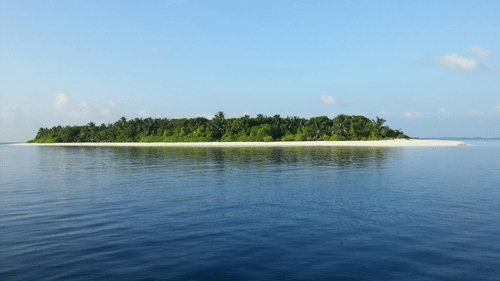
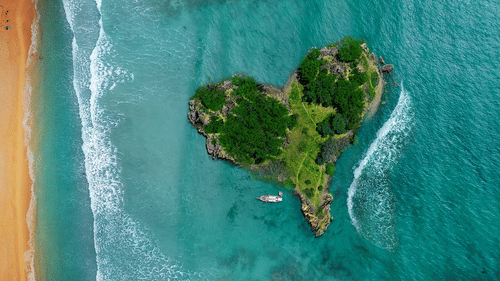
Tucked away in the Bay of Bengal, the Andaman and Nicobar Islands form a chain of over 500 islands, only a handful of which are open to tourists. Their remote location gave rise to unique indigenous cultures and later made them a strategic outpost for colonial powers and military forces. The history of the Andaman Islands is as diverse as the landscapes themselves, offering stories from prehistory to the present day.

Indigenous Tribes & Early Inhabitants
Long before colonial ships arrived, the islands were home to tribes like the Great Andamanese, Jarawas, Onge, Shompens, and the elusive Sentinelese. These tribes represent one of the world’s last links to pre-Neolithic cultures. The communities have lived in isolation for thousands of years, their customs and connection with nature largely untouched. Preserving their isolation is not only vital for their well-being but also a key aspect of respecting the Andaman and Nicobar Islands' history.
Colonial Era & British Rule
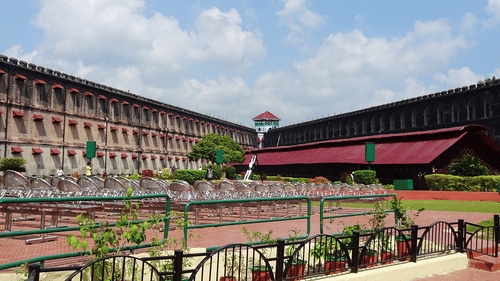
The islands took a dark turn in the late 19th century when the British declared Port Blair a penal settlement. By 1858, following the Indian Rebellion of 1857, the British had established a full-fledged penal settlement in Port Blair. The infamous Cellular Jail, built between 1906 and 1926, packed in freedom fighters who were sentenced to 'Kala Pani' - exile far from home. Names like Vinayak Savarkar, Batukeshwar Dutt and others endured brutal conditions here. Wandering the corridors of Cellular Jail today, you sense the resilience of those who sparked India’s fight for freedom.
World War II & Japanese Occupation
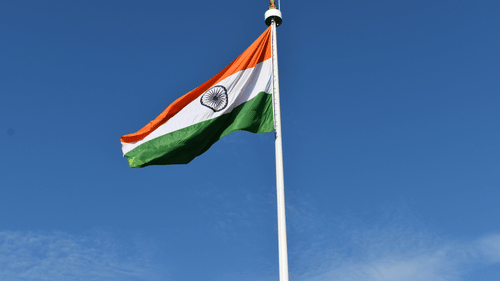
Fast forward to the Second World War: the Japanese took control of parts of the islands in 1942. For a brief moment, nationalist leader Subhas Chandra Bose raised the Indian flag on the islands, symbolising hope and defiance. Though the British regained control in 1945, the islands’ strategic importance in the war and in geopolitics ever since adds another fascinating layer to the history of the Andaman.
Post-Independence & Modern History
After Independence in 1947, the islands became part of the Indian Union in 1950, eventually designated a Union Territory. Since then, the islands have transformed from an isolated penal colony into a thriving hub of eco-tourism, marine conservation, and cultural curiosity.
Yet the essence of their past remains intact. Museums, memorials, and restored ruins continue to tell the tale of resilience and transformation.
Historical Places to Visit
If you’re a history buff heading to the Andamans, here are places that tell the story:
- Cellular Jail: For its emotional narrative and historical significance. Don’t miss the evening light & sound show, it's deeply moving.
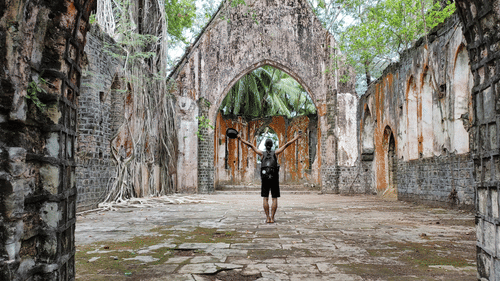
- Ross Island: Once the British administrative capital, now home to ruins overtaken by nature.
- Viper Island: Named after a colonial-era prison ship that docked here. Walk the old jetty and imagine the lives once chained onboard.
- Anthropological Museum: Explore the ethnographic history of the island’s tribes.
Each site is a museum in itself, soak in the ruins, listen to the tales, and you’ll feel the history underfoot.
Preserving the Legacy
Efforts continue to protect the ecological and cultural balance of the islands. The tribal reserves remain off-limits to tourists to preserve their way of life. Environmental protection laws and sustainable tourism initiatives work hand-in-hand to ensure that the islands’ natural and historical heritage is not lost to modern development.